
Juniper Jones, Jalen Hamilton, Atoi Glennette, Amira Diaw
quiet as it’s kept
July 2026-October 2026
Curated by Harlem West
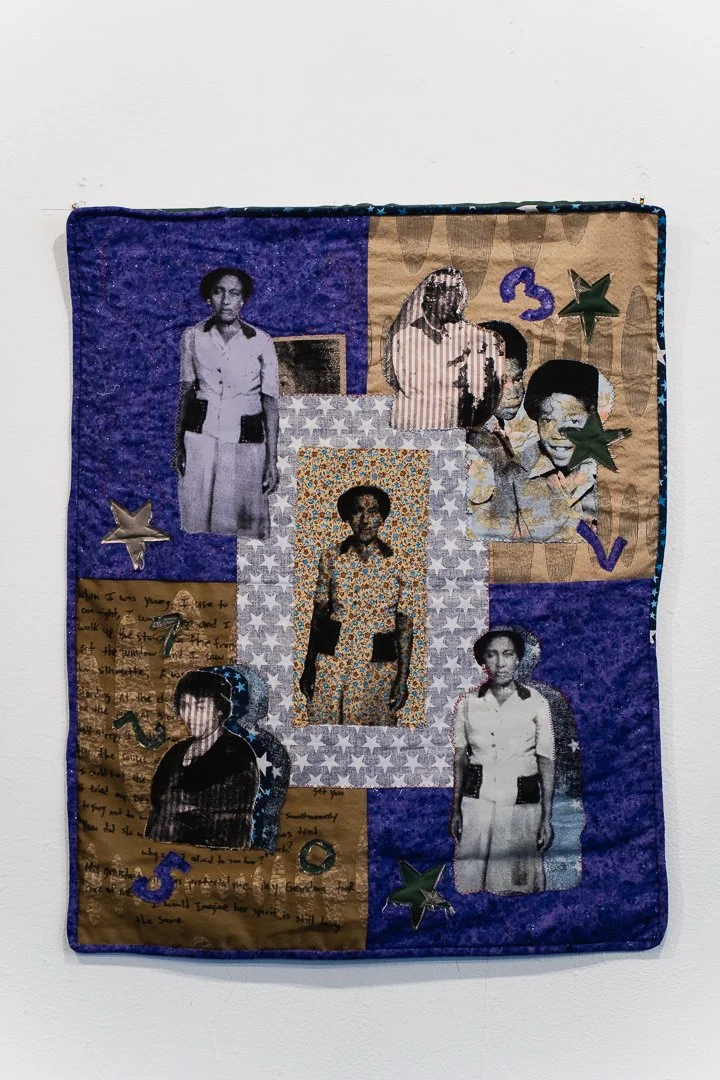
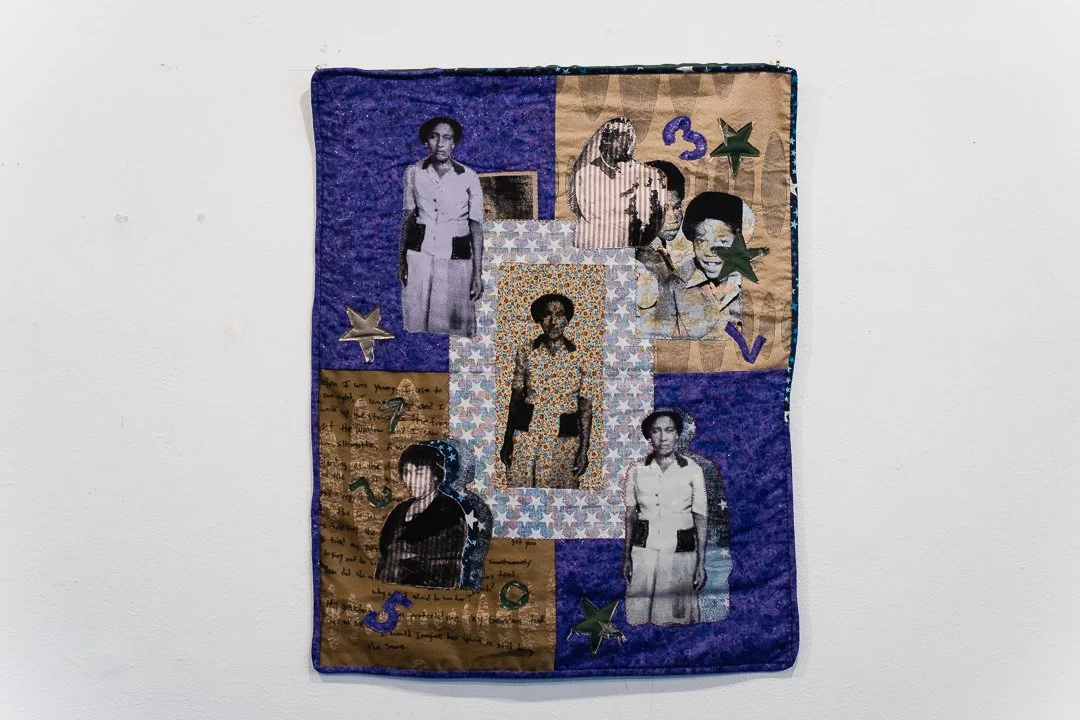
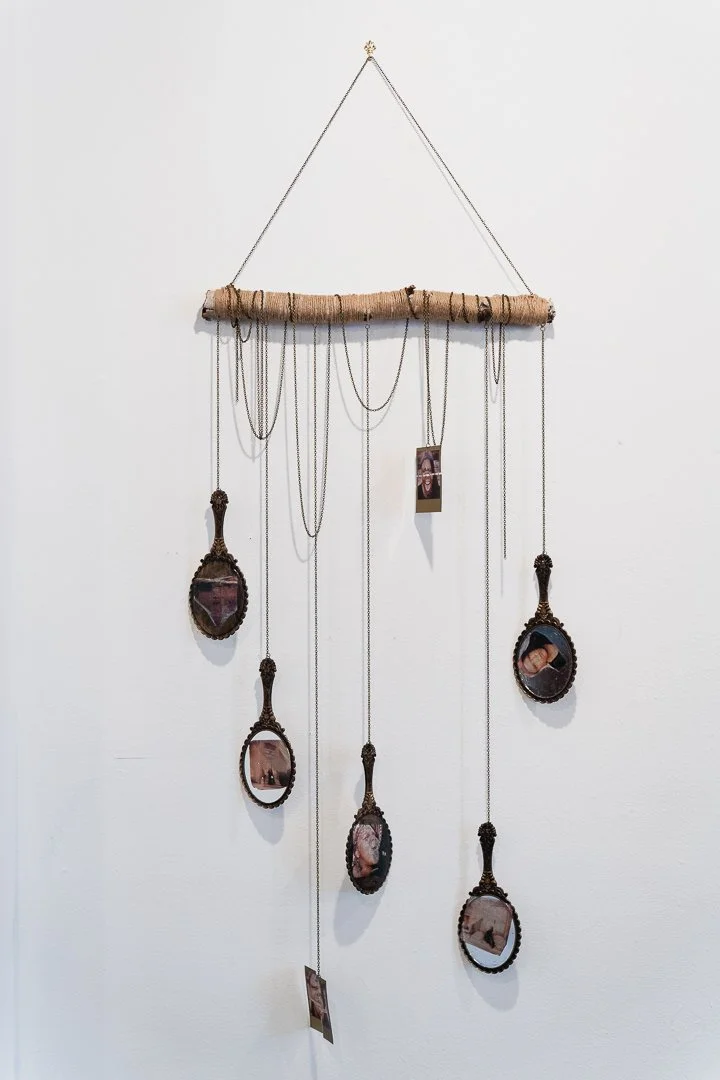
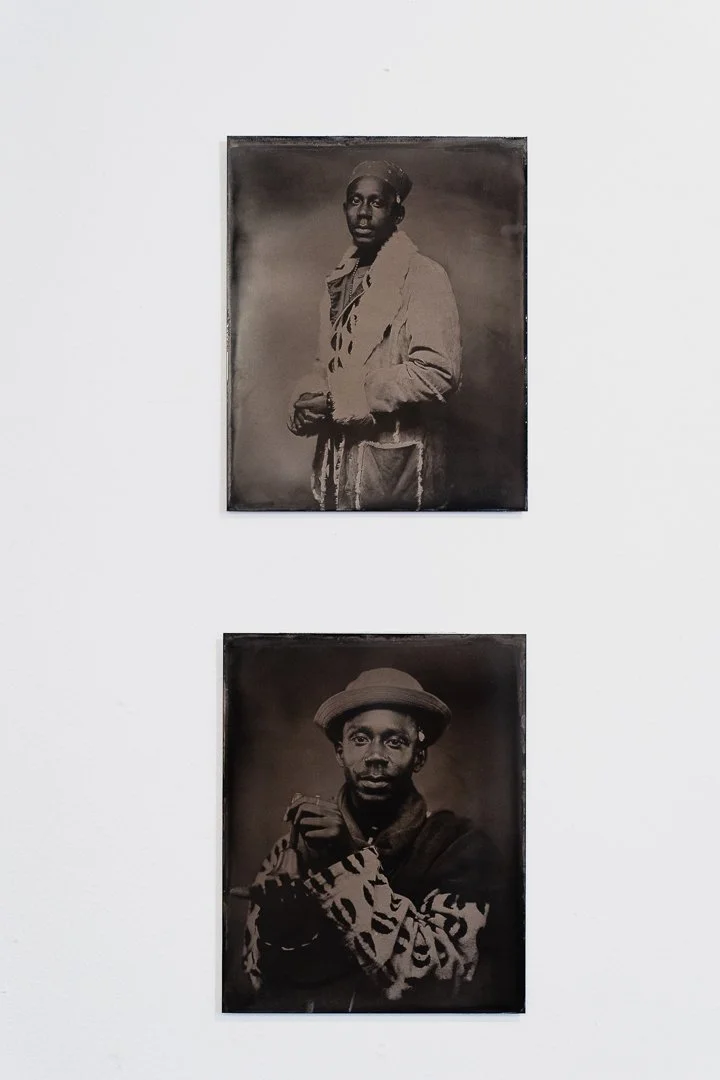
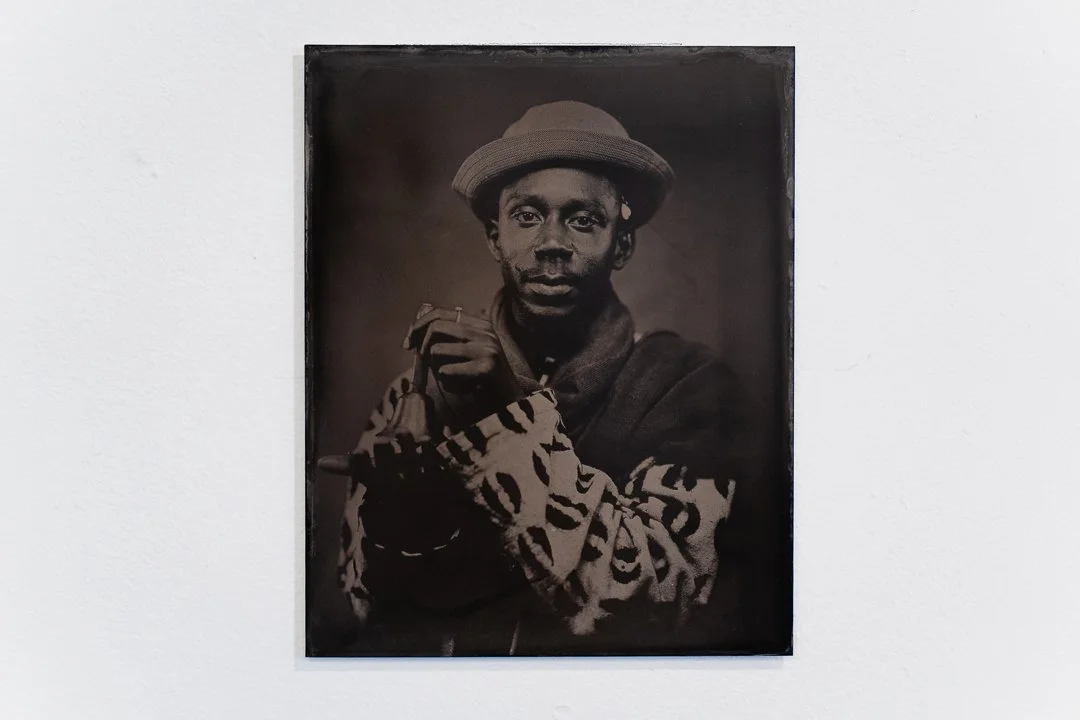
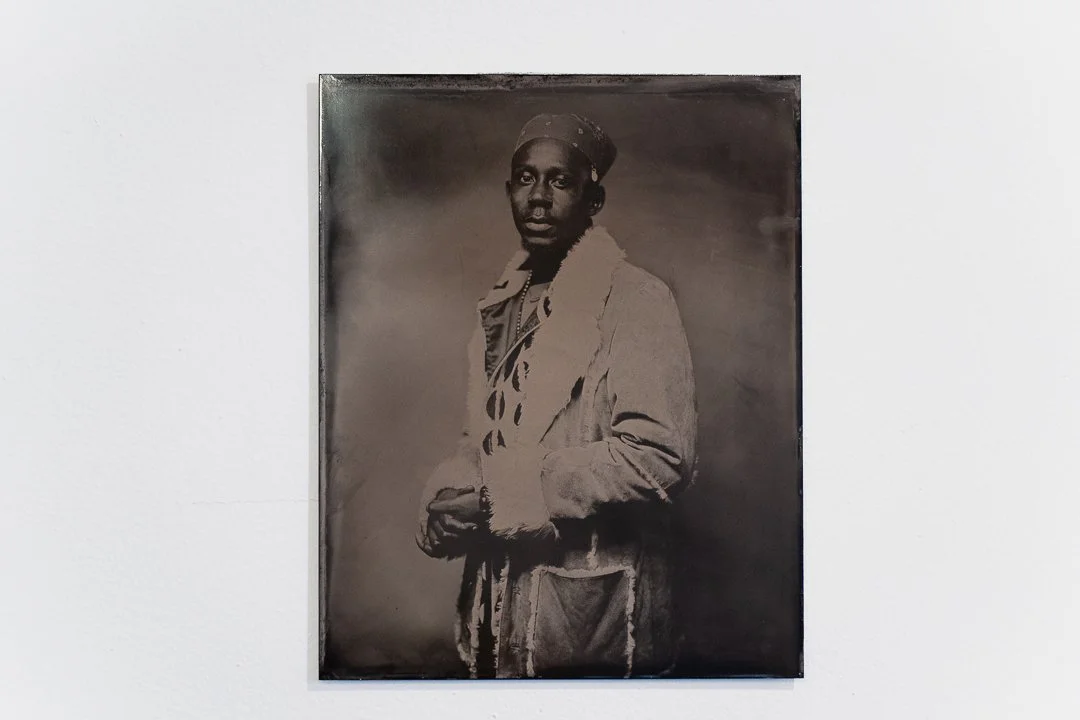
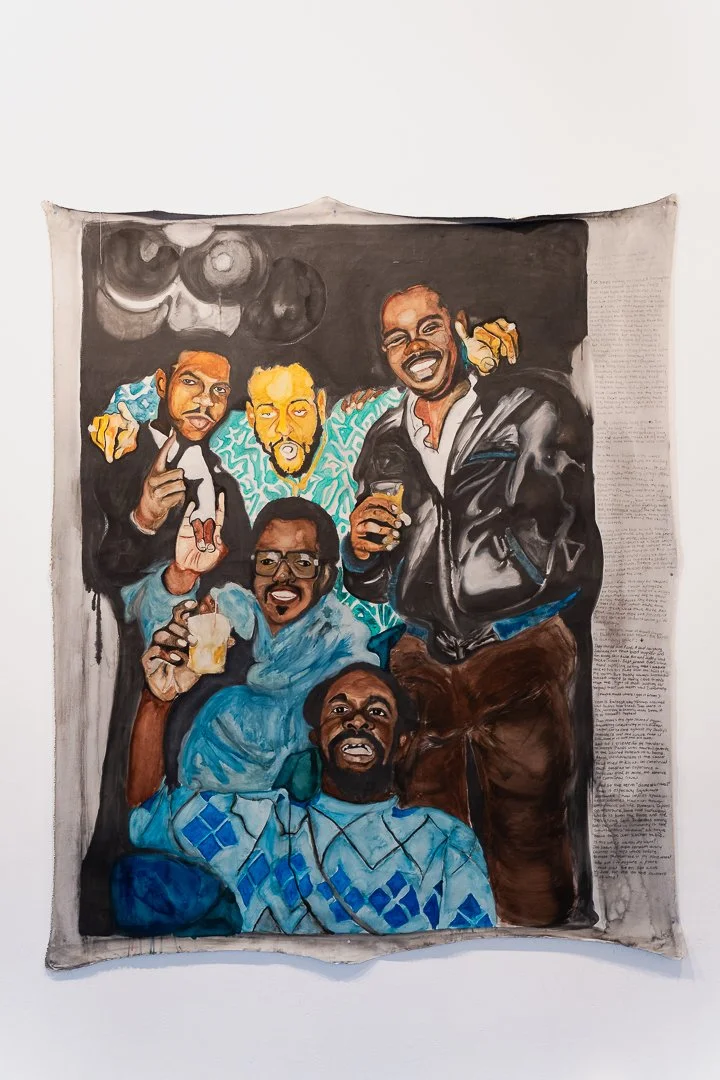
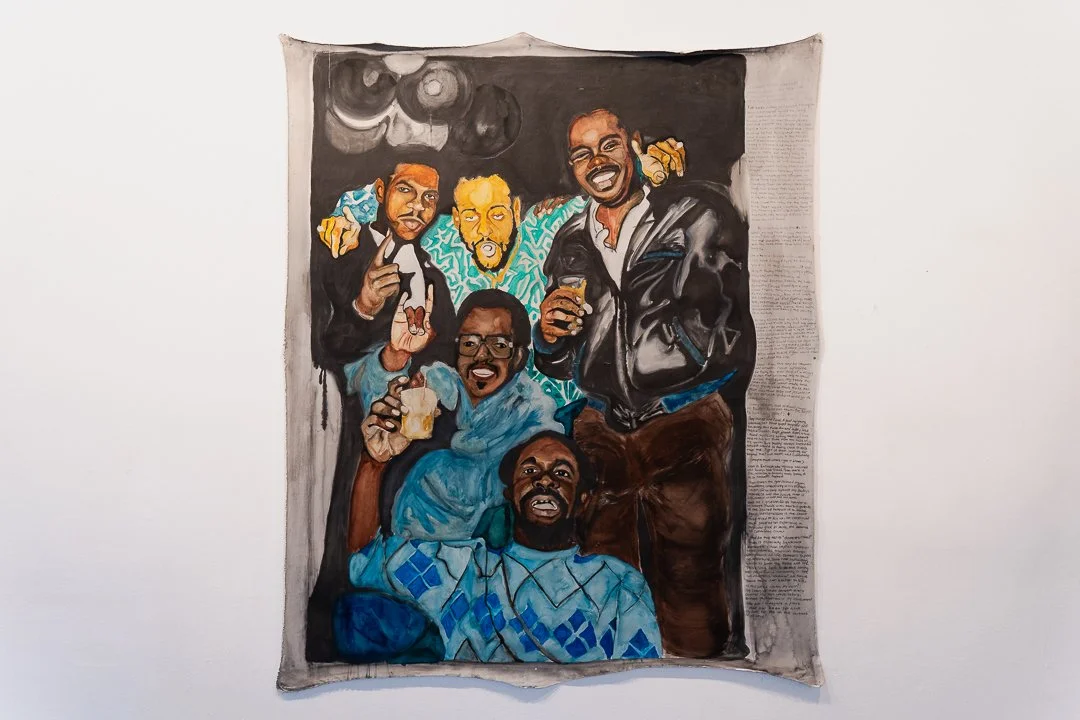
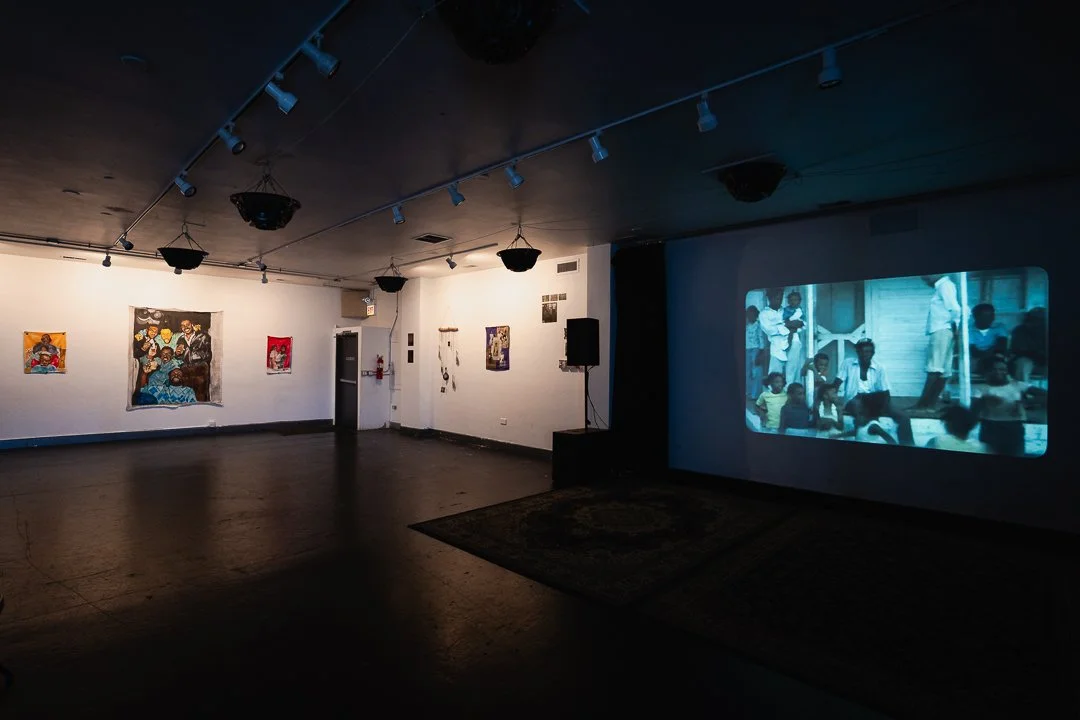
All gallery photos by Ricardo Adame
Juniper Jones, Jalen Hamilton, Atoi Glennette, Amira Diaw
quiet as it’s kept
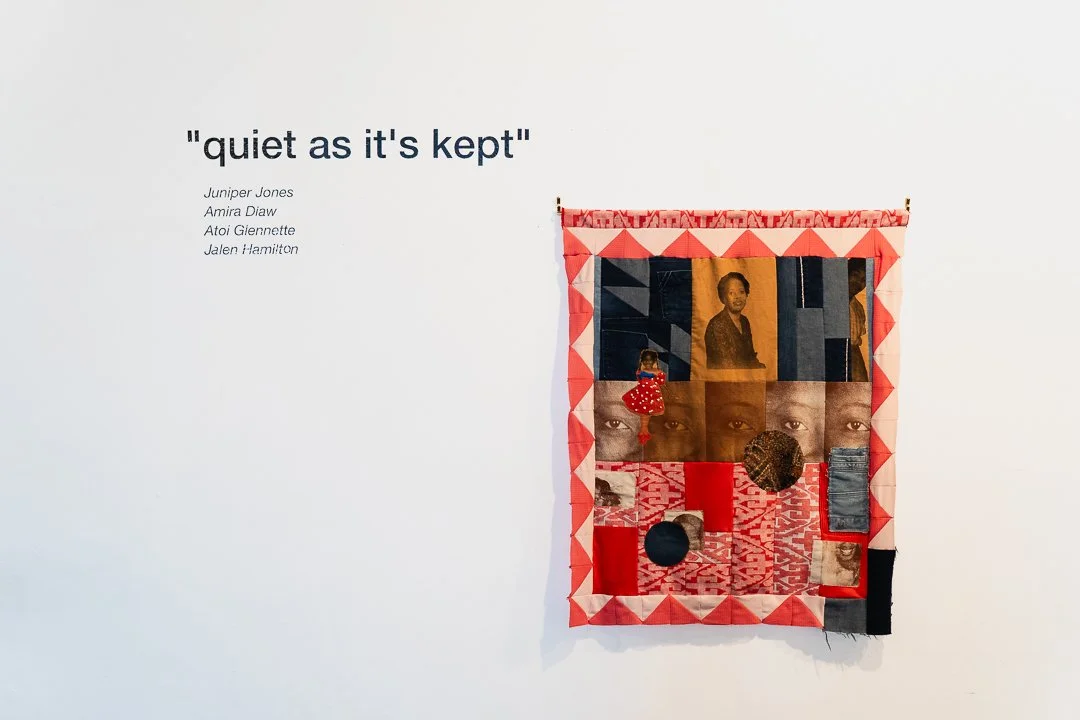
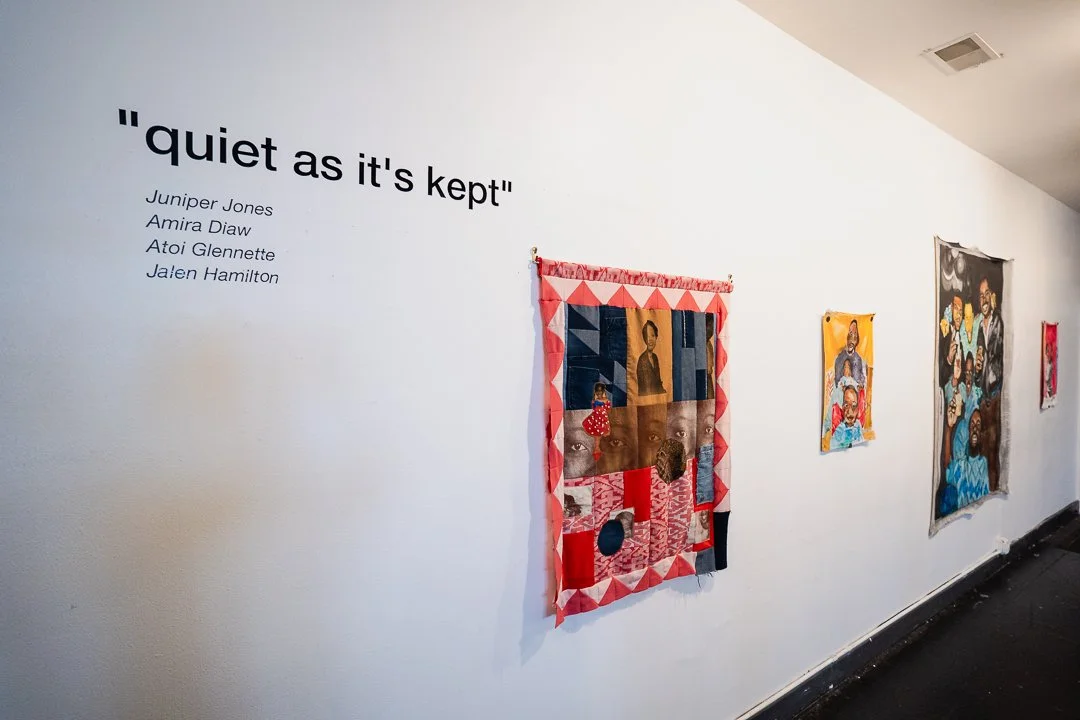
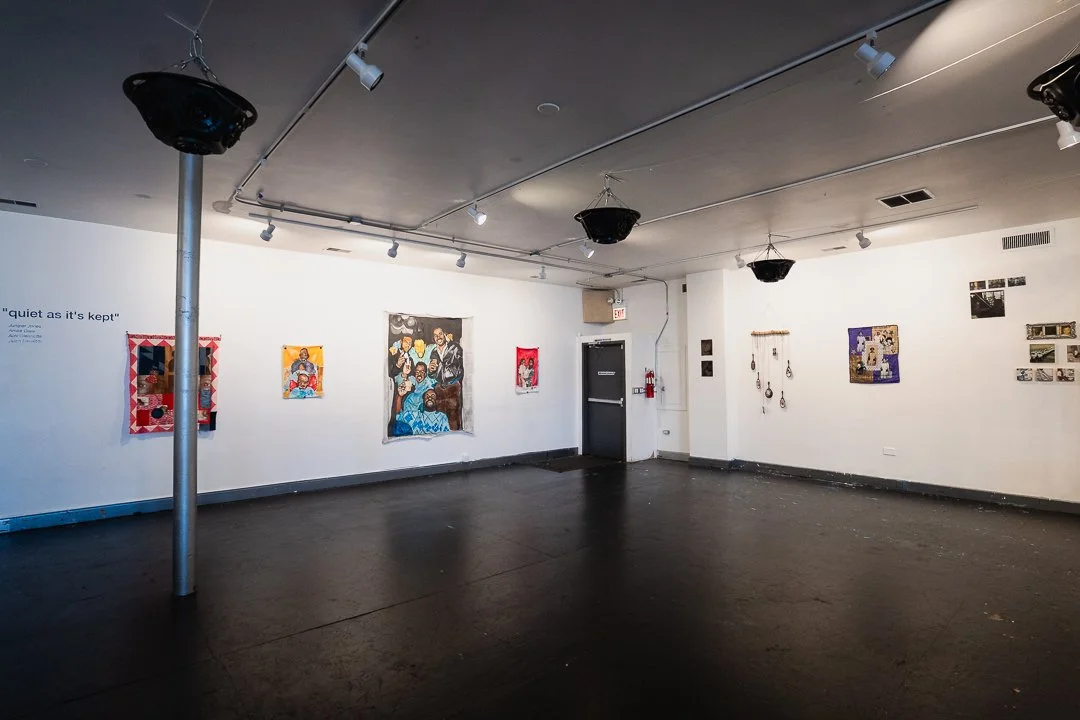
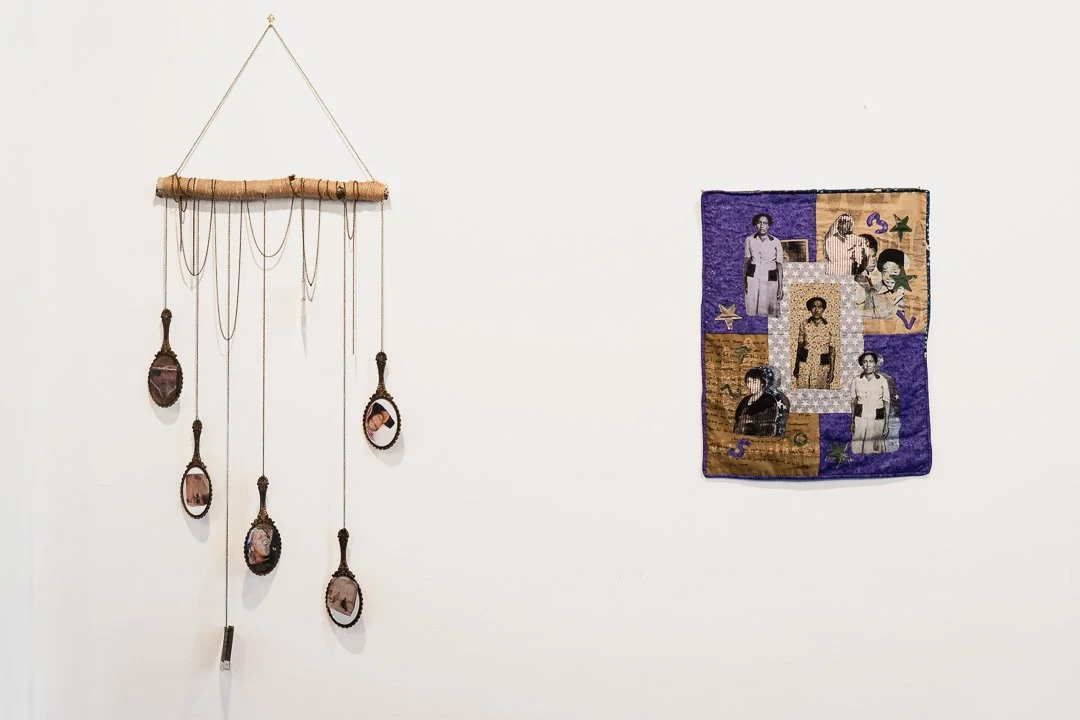
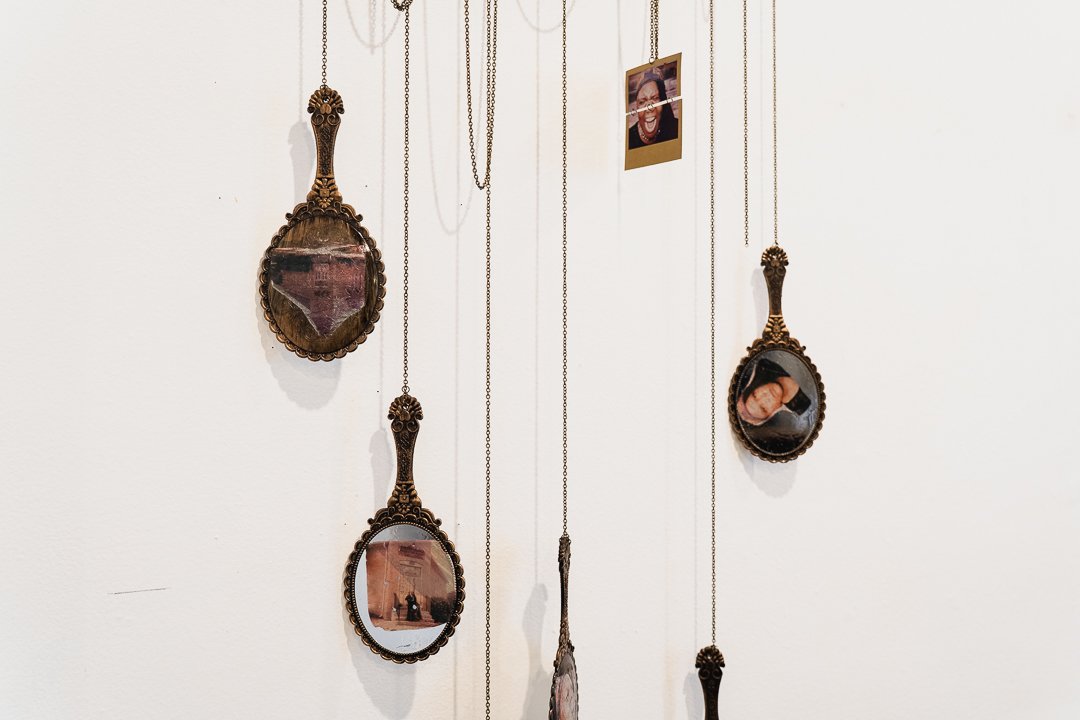
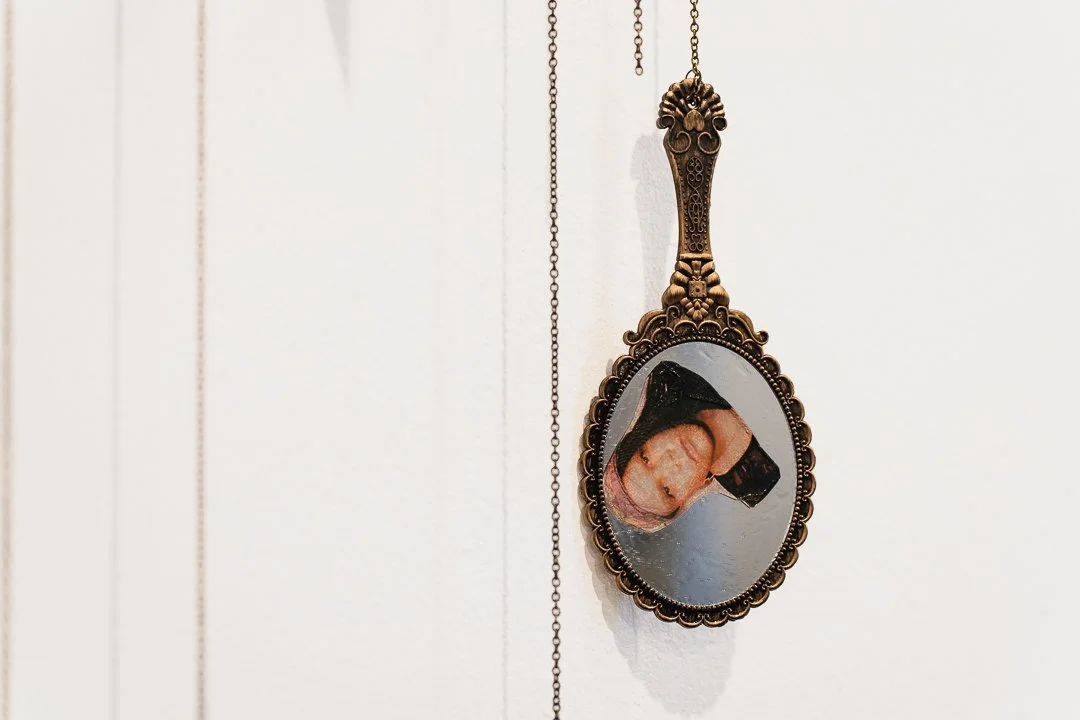
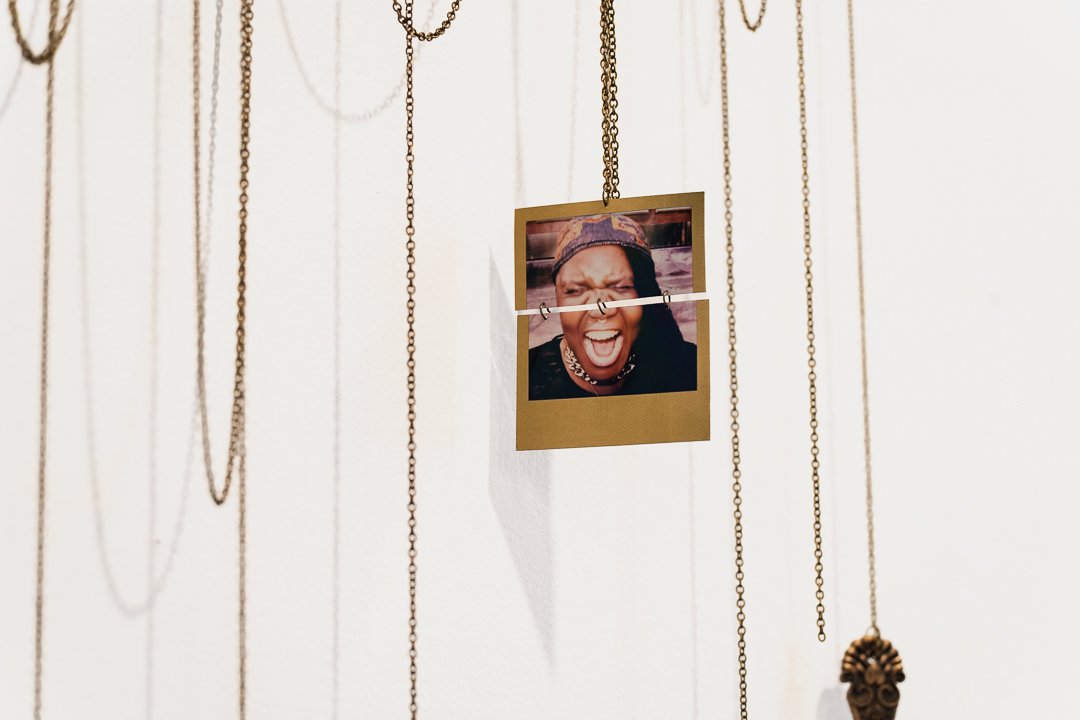
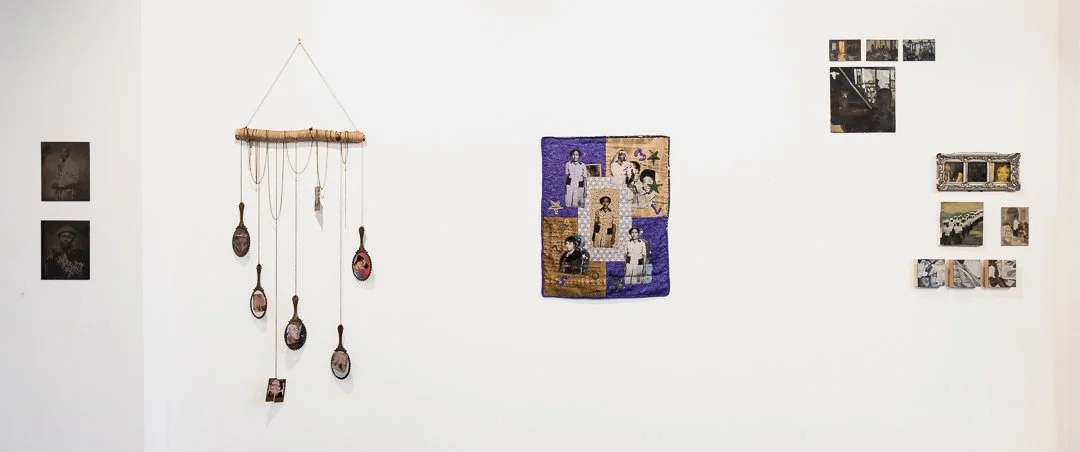
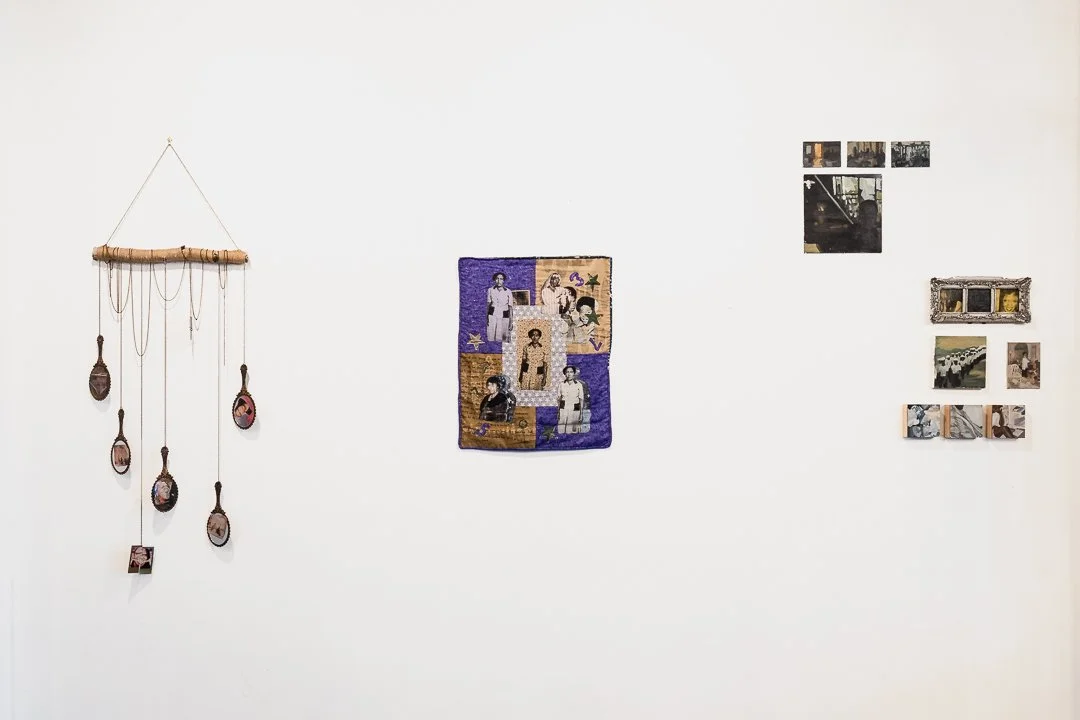
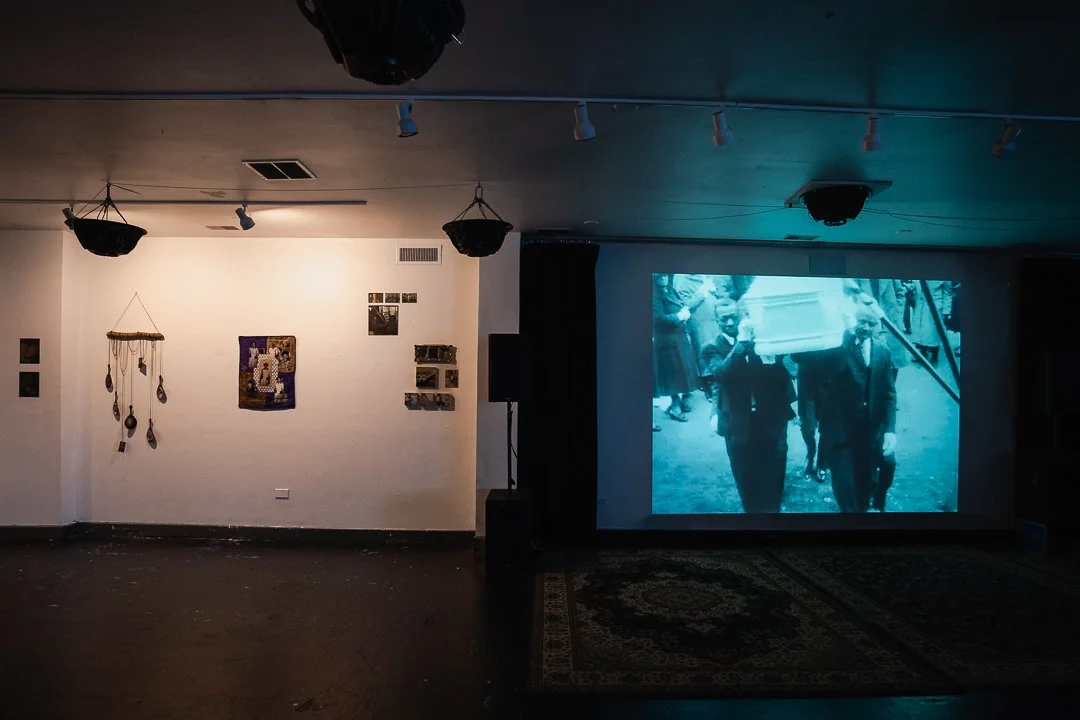
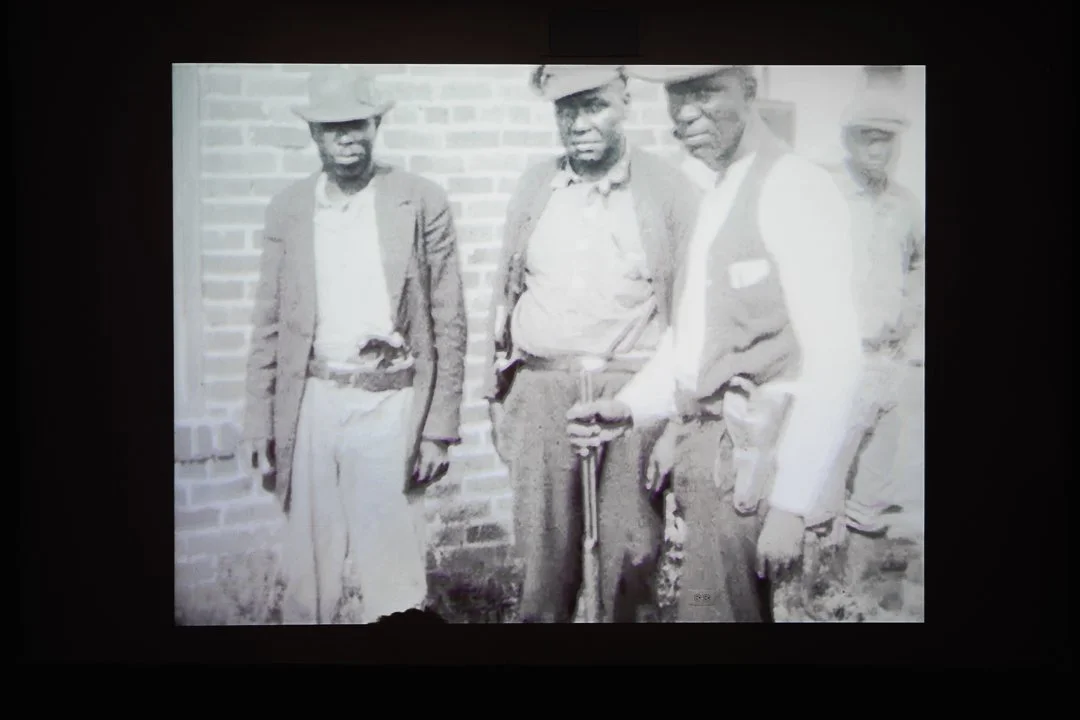
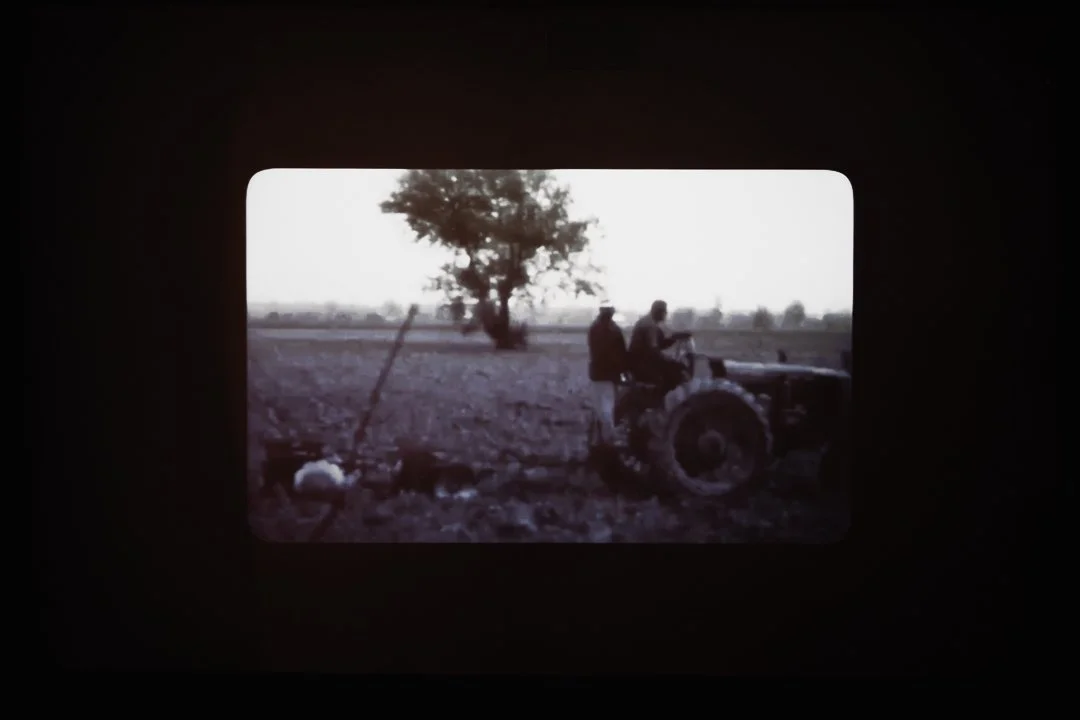
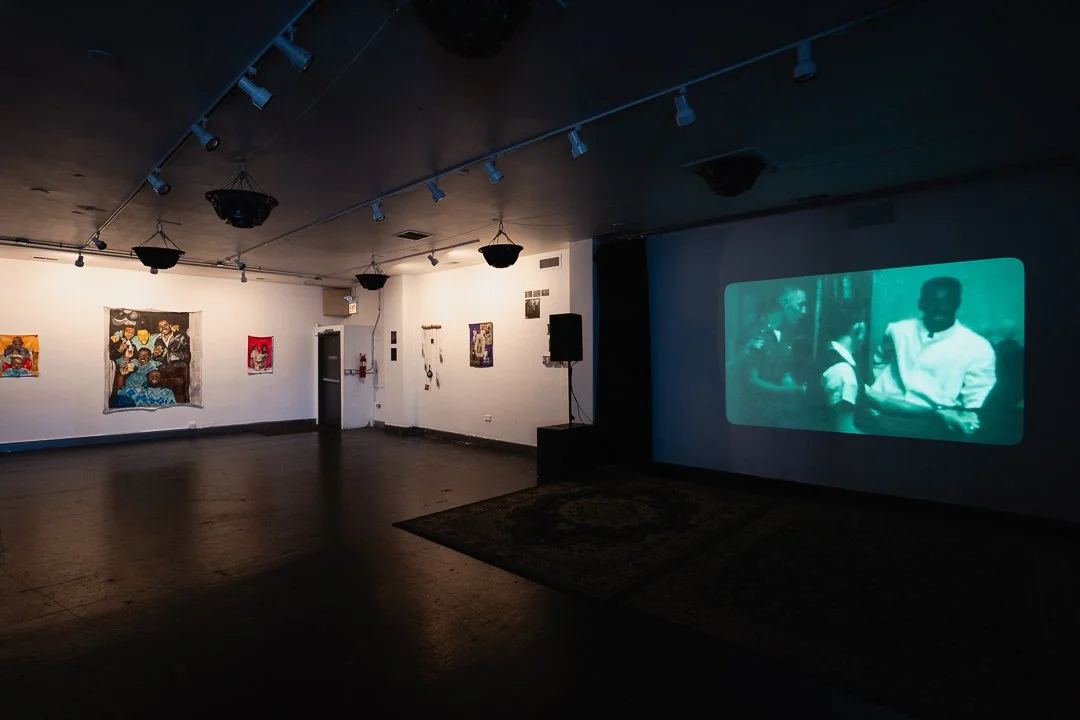
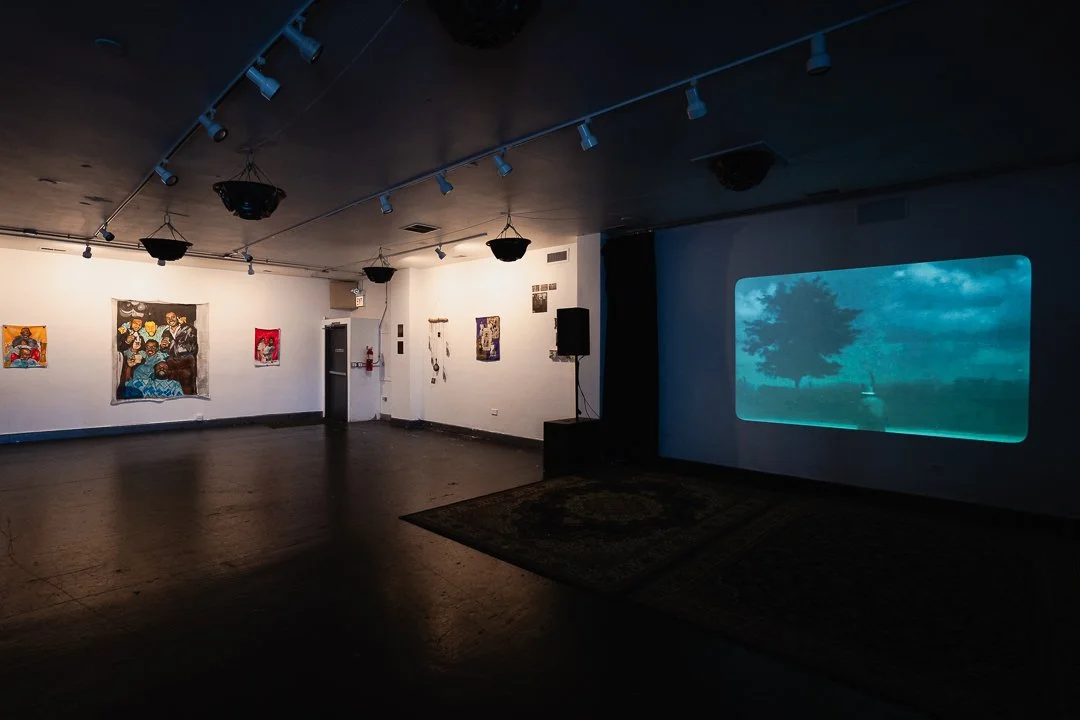
As amplified by my quick witted kin at the grown folks table, I’ve concluded that it's an onerous feat to suppress a beast we refuse to name. "quiet as it's kept" serves as a visual examination of truth telling. Through multimedia image installation, textile art, and archival photography, this collection invites griots to re-tell a memory or recall some inherited story lore (or lies), demanding they truthfully recall their version of a life altering event. Most notably dripping from the mouth of Toni Morrison in ‘ The Bluest Eye’, quiet as it’s kept is a black cultural idiom thematically relayed while storytelling, usually post propositioning an unfortunate or unexpected occurrence. Within the first few paragraphs of the work, we are transported to early 1940s post-Great Depression small town Ohio, on some land scorched by an habitually unconfronted reality magnified by a child's pain. Catapulted into an unrelenting truth, we tender the shores of Toni’s masterful worldbuilding and dangerous ability to tender the veil between honesty and cruelty. The skill of Toni’s literary blade, and two-edge mother tongue holds as an overall inspiration of the exhibition; inviting all who experience the work to annotate our relationship with honesty. Here, we require the truth to possess us tenaciously, confronting the dangers of quietly kept wildfire. Where in lies the balance with recalling what we somatically know to be true, and what we wish to have happened?
Must these truths always be named outloud, and if so, is it safer to invoke them quietly?
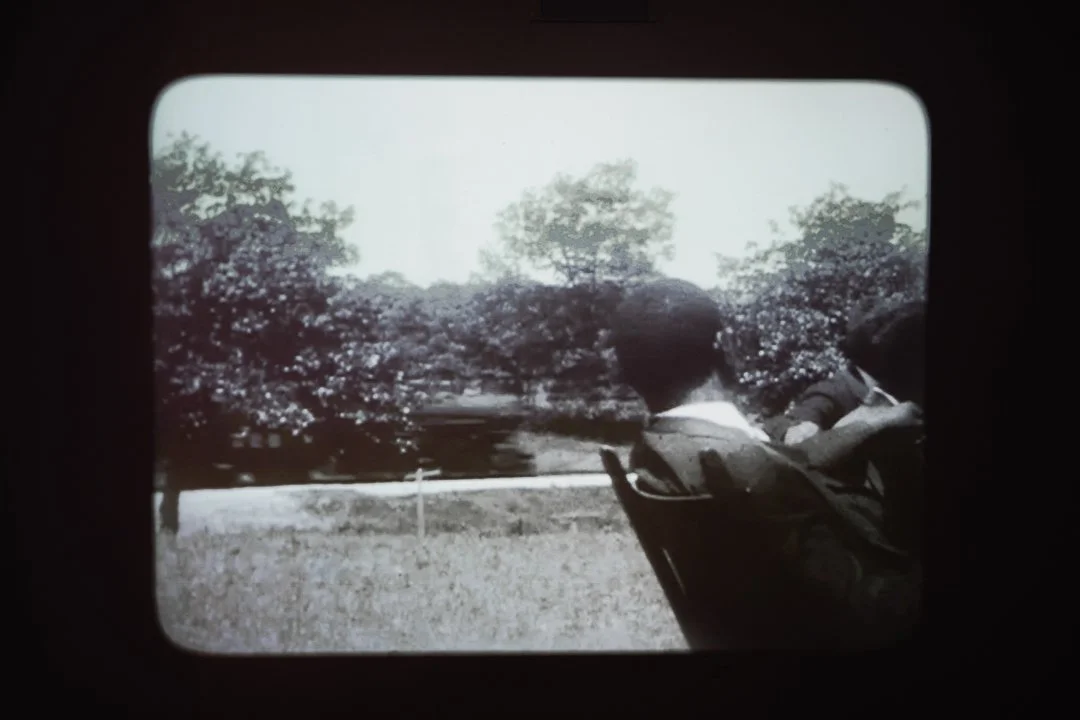
The work in this gallery centers on the dangers of “as quiet as it's kept”, and combat that being a lived cultural experience that grows habitual. Here, we allow the truth to be told, in however grandeur or somber humility the truthtellers see fit. Inspired also by ‘Suzanne, Suzanne’, a short documentary style film directed by Camille Billop's. The film intimately shares the reality of Billops’s niece Suzanne presently navigating addiction, while gently interrogating the conditions of her upbringing that arguably led to her dysfunction. The lens to which the film is shot shares a gentle nuanced approach to relaying a painful truth, combating the families preexisting desire to brush things over. This film feels like a collaborative example of how consensual and relational telling or publishing someone else's truth must feel in order for its impact not to highlight shame, but rather the bravery in expelling a burdensome knowing from our bodies.
The nature of quiet as it’s kept stems from a deep resistance to naming hard truths out loud amongst even familial or intimate communities. This is a reality many Black folks are familiar with; lives brimmed busy with the pendulum scales of joyful and grieving under the veil of a deeply sinister historical truth. And as centuries pass for Black American citizens, speaking to inherited and multi-layered shame around certain occurrences becomes. Though the profound well of these matters often root from limiting systemic cycles, rebelliously naming said truths out loud isn’t encouraged. All the while, quietly kept matters reincarnate, manifesting as illness’, resentment, projections, and behavioral quicksand disguised as modes of survival.
In my own familial case, many quietly kept matters felt both somatically safe and sinister. The space between what was named and what was avoided was dense, encouraging hauntings to reoccur as motifs throughout the bloodline. Ironically though, secrets tend to ooze and stir during unplanned times, in spaces intended to foster connection; at the dining table, the mothers day luncheons, under porch lights on late summer nights, etc. Most notably leaving extended families yearning for neutrality and resolve, without the initial step of naming where the rupture even began. With all these matters at play, gossip becomes an armour and investigating accountability may trigger repressed shame. Relaying the power of one singular nuanced quietly kept secret isn’t one a mere novel can handle; it’s a layered onion, with both virulent and medicinal potential.
The intention of “quiet as it’s kept” is to be a catalyst for viewers to tell what really happened, encouraging us to first hold the nuance of whole truths, and then be honest about what we wish to alter. In the case of relaying family lore passed on, holding these moments of rupture we instinctually wish to erase. In hopes we may take a full look at our inherited and intimate wreckage rooms for long enough to conjure a deep acceptance; or the courage to dream up an alternative.
_____________________________________________________________________________________
Artists Interview (featuring Atoi Glennette & Juniper Jones)
Whose truth is being centered in the work you’re presenting? Did you relay this truth for yourself or a greater collective body?
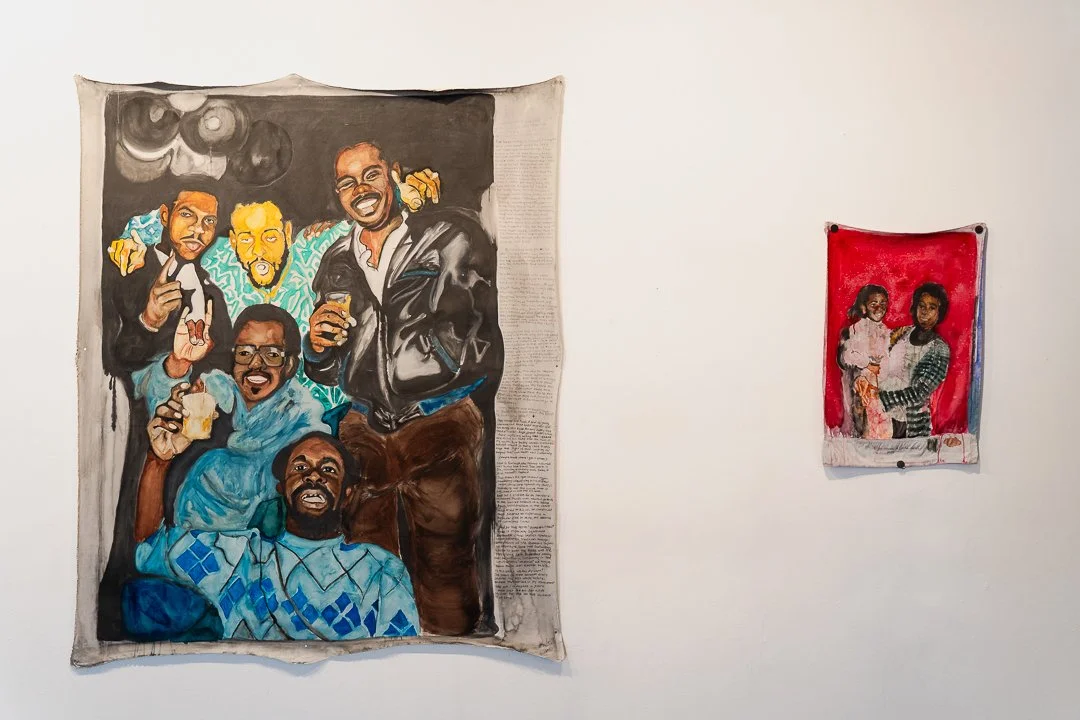
“This work is centering my truth but it also feels beyond my truth in a way that I cannot confirm. I am specifically relaying this truth for myself, but I feel like with the above question there could and likely are others who share my truth.”- Atoi Glennette
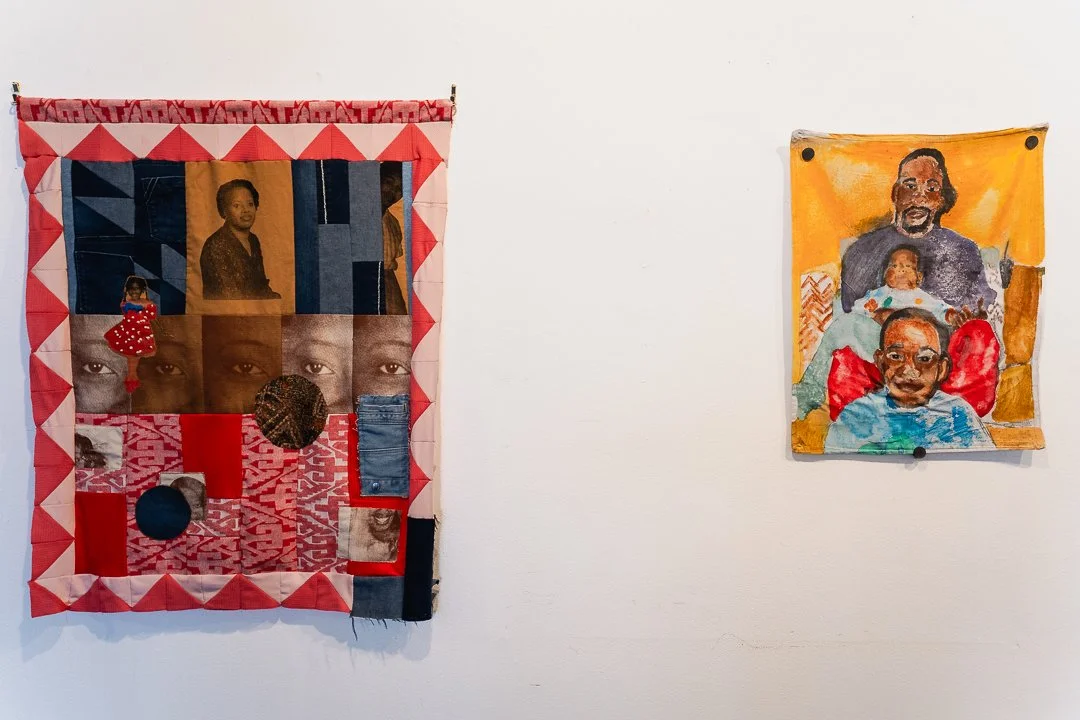
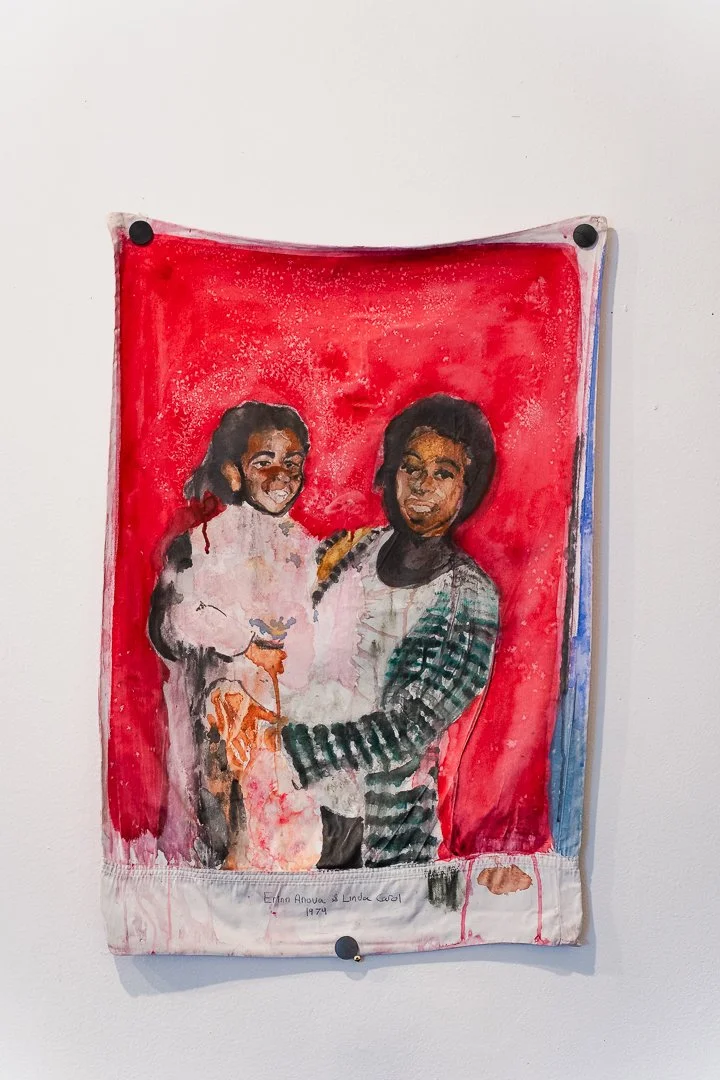
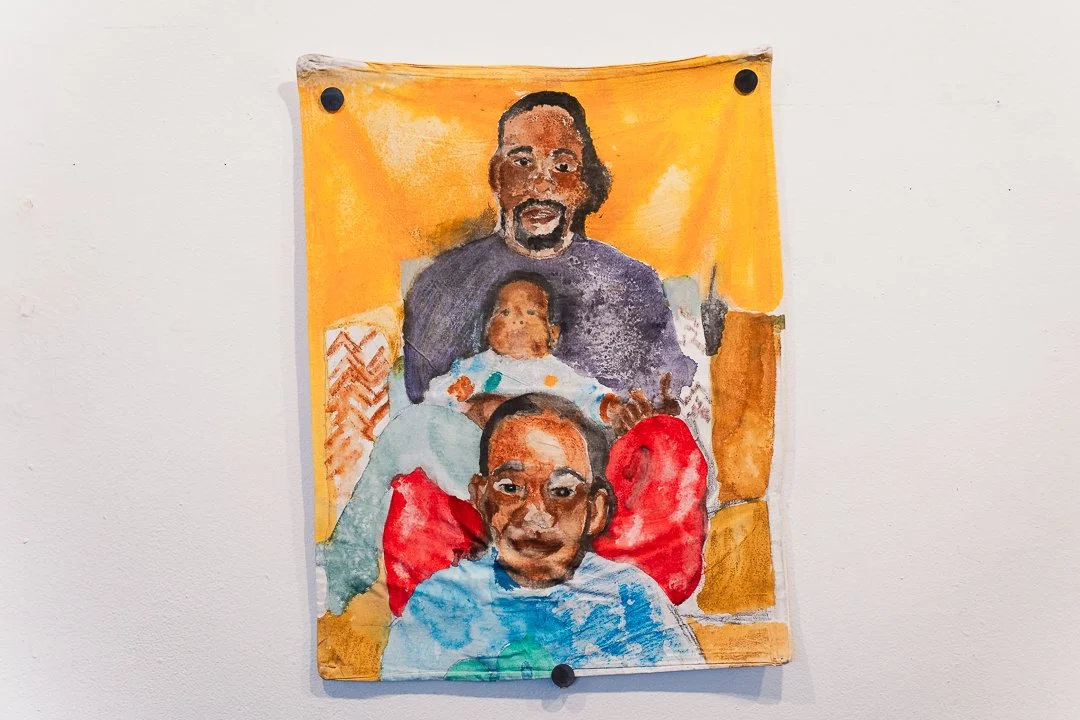
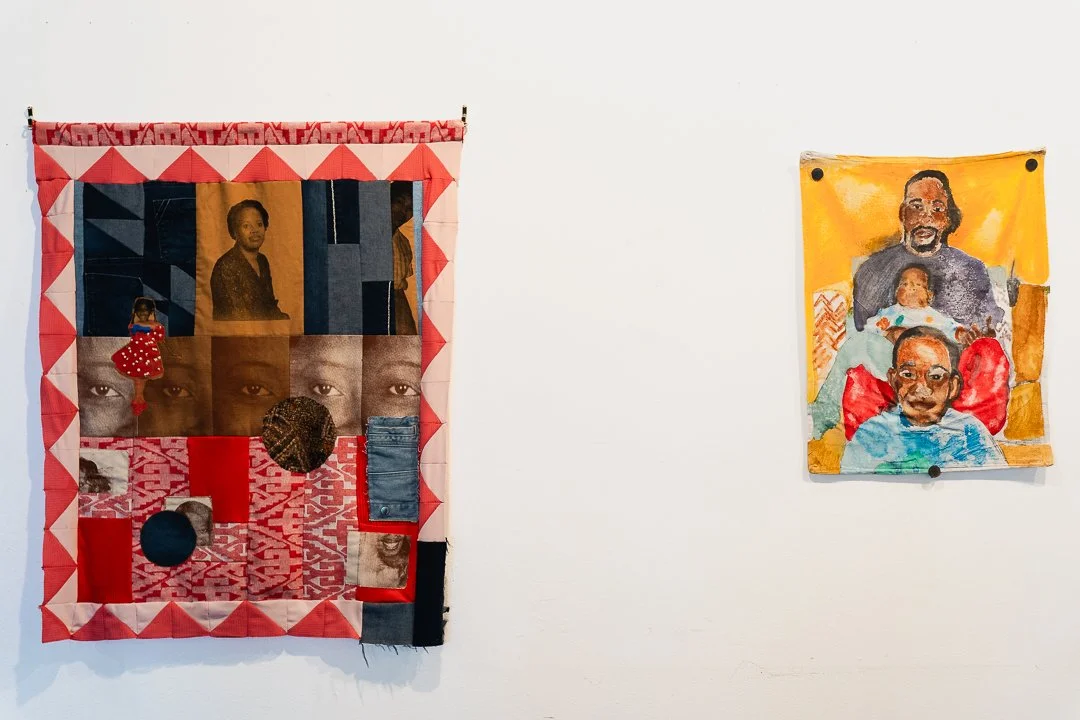
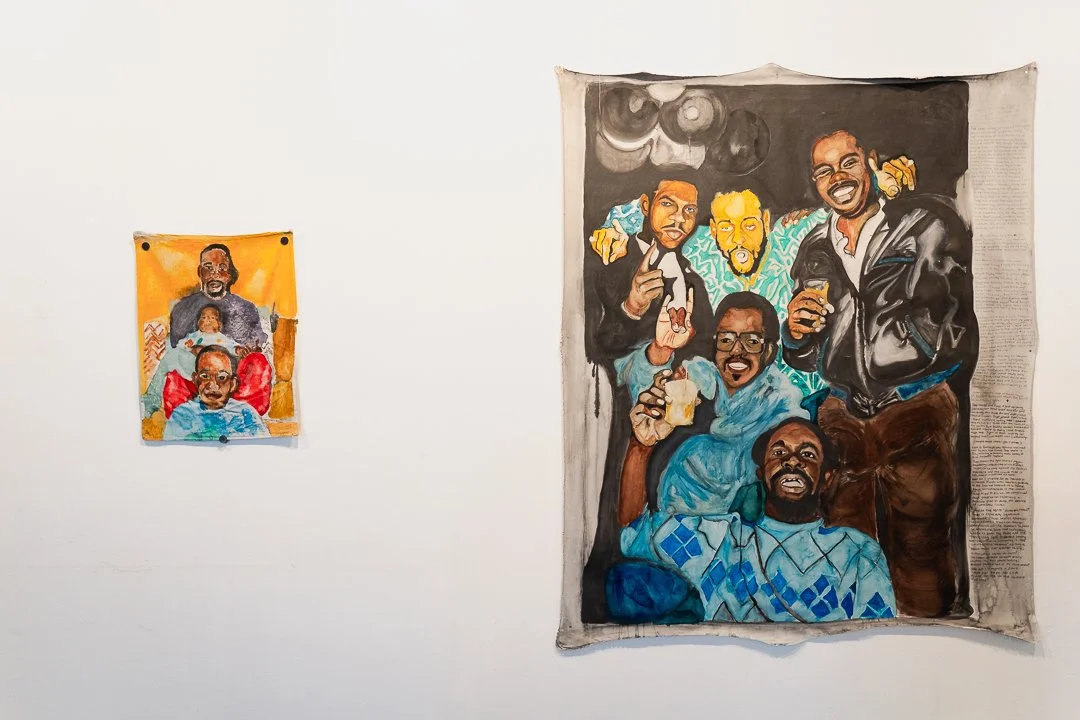
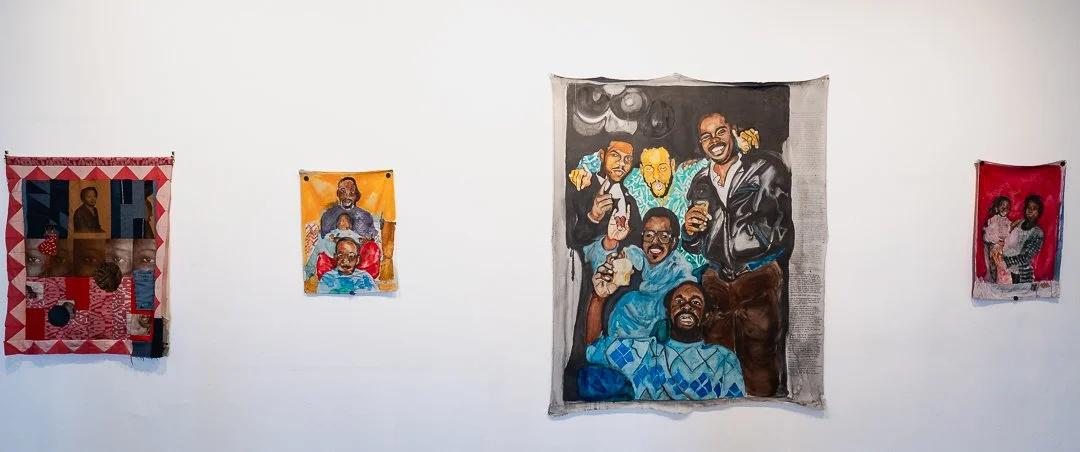
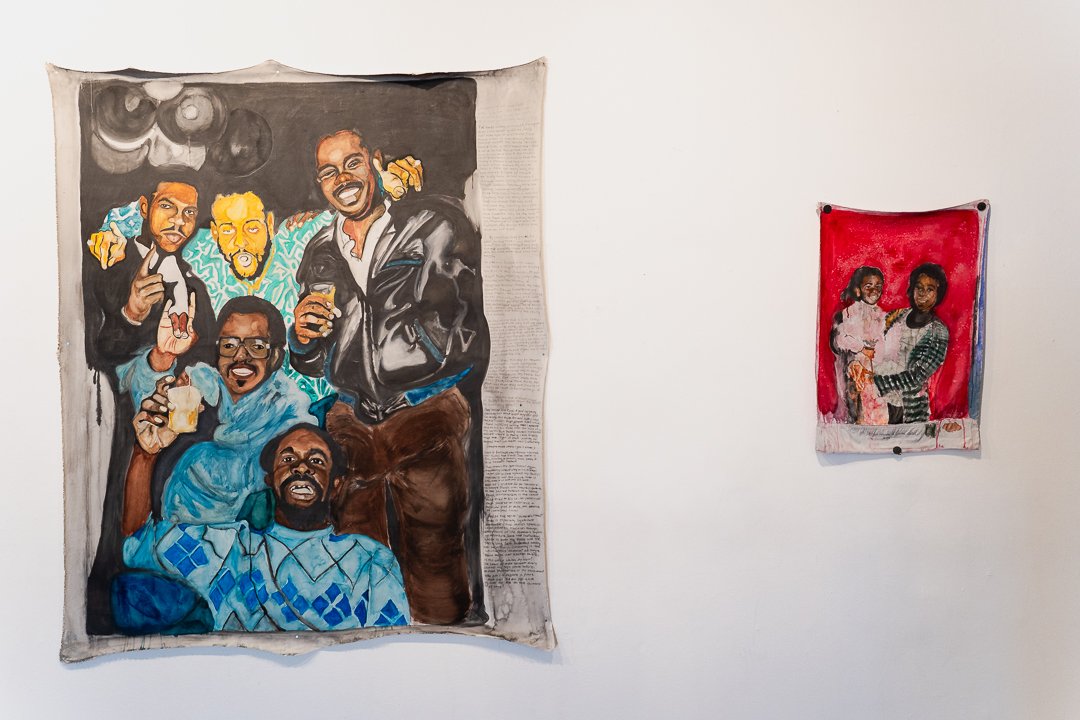
“I think the truth that's being presented throughout each of the works is that of a child who was present to receive that moment in time…as for the larger piece, which is an image of my father and a group of his friends who were out partying in the eighties. I wasn’t alive then, but I was very much so present for the (re) telling and stories from these types of nights entailed. Within the margin on the right side of the image is my freehand recollection of what these men in this photograph mean to me, my ruminations on what collectivity and community mean to me, and how the deforestation of that is really speaking to me most days when I’m thinking about being interconnected with community. And specifically what I feel like it meant to the men who my father was close to at the time. The other two images belong to friends of mine, and are of their family. These are moments in history that are still memorable to my friends, so they speak to me. For instance, this work of my friend Erin and her mother is about how this is the only image she has of her grandmother and her mother embracing each other. They had a relatively fraught relationship, however, she likes to hold on to this image because it is a reminder that throughout a fraught relationship there still was a moment of tenderness and love at its core.” Juniper Jones
Part of archiving is relaying truths that aren’t always our own. In what ways do you practice ethical truth telling when you aren’t speaking on truths and stories that may not be directly yours?
“Being rooted in and committed to deep listening, moving at the speed of trust and building in several stages for consent that are dynamic.” - Atoi Glennette
“When I am telling these truths, and they are including people who aren’t myself or apart of my direct family, or even pictures within the archives that I steward, I always sit down and have a conversation with the steward of that archive that I’m referencing in my work and the image I’m working on. Because I think it’s important to touch bases with the predecessor, the last inclining, or living piece of lineage if you will. Touching bases with the last hand who is closest to this story who I’m sourcing to paint an image after whatever have you. And in that conversation is most definitely enthusiastic consent to use this image, a “yes I trust you”, alongside confirmation from their ancestors to erect or rectify a truth that may have been hidden or is just not easily viewable to the witness. So I make sure I’m having really intentional conversations with the people who steward these archives to keep an ethical practice of truth telling and reality shifting that is consensual” - Juniper Jones
Where do you somatically feel the secrets you keep within your body? What things do you do to release them?
“Somatically, I feel that the secrets I keep really get tied up in my hands. my shoulders. and my hips. And it’s interesting because each part of my body that keeps these secrets are used in very different ways for my creative practice. So of course, starting with my hands, and shoulders, these are very specific tools to use whether I’m painting or I’m sculpting, or verbalizing in a lecture, communicating to a class or a workshop. I’m really animated, using my body to communicate this information. Similar to my hips when I’m dancing, I use these things to figuratively release my secrets without necessarily putting myself in a proverbial jailhouse. The way I move my body, allowing my secrets to erupt and diffuse into the air, that magic that power belongs to me. No one can use these hands movements, these shoulder movements, these hip movements against me, because I own my secrets.” - Juniper Jones
How do you think the world perceives truth tellers?
“I feel like the world is afraid of truth tellers as a whole and that fear is often buried in acts of misunderstanding and/or hatred…silencing or attempted silencing… “- Atoi Glennette
Artist Bios
Atoi Glennette
Atoi Glennette is a Black, queer, gender expansive healing artist whose work is rooted in individual and collective healing. They are a practitioner of deep witnessing by way of photography and energy medicine, curator, hugger and community builder based in Chicago, Illinois. In all of their work, they leverage witnessing, play, and intimacy with self, others and nature, as medicines to facilitate healing in community. Image making, for Atoi, is an invitation to slow down and listen for what is ready to be seen-sometimes uncovering new perspectives and possibilities, other times uncovering new layers within themself, and yet other times stumbling upon little pockets of joy, silliness and wonderment. Portraits allow them the honor of deeply witnessing a person- reflecting back through images their innate beauty and unique essence. Their creative process is both meditation and play- the medicines their spirit came here to share and receive in this lifetime.
Juniper Jones
Juniper Jones (b. 1997, Detroit, Michigan) positions domestic artifacts as vestiges of Black collectivity & ancestral record keeping. Sourcing inspiration from familial archives & historic retellings, Jones’ work includes painting, performance, video, audio, sculpture, and installation. Motivated by connecting traces of Black convening to matters of the domestic, Jones’s paintings reinterpret Black family photographs and memories as stains on domestic textiles like pillowcases and bedsheets. This practice utilizes water-soluble media like crayons and ink paired with corrosive elements like salt and bleach to embed an image into fibers.
Jalen Hamilton
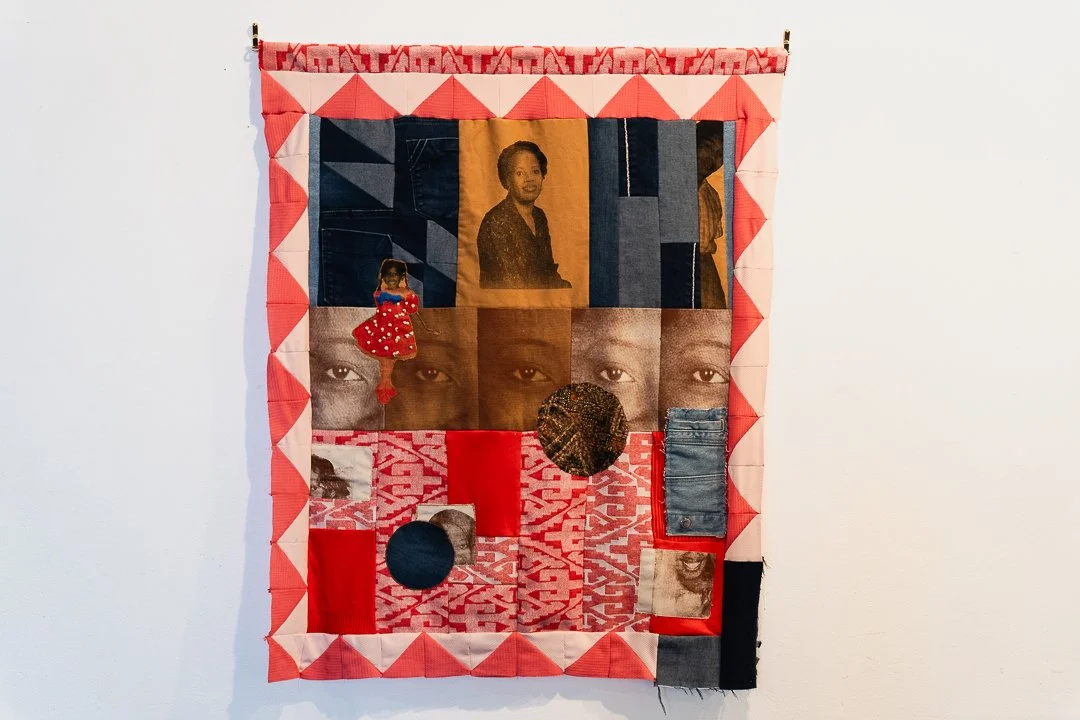
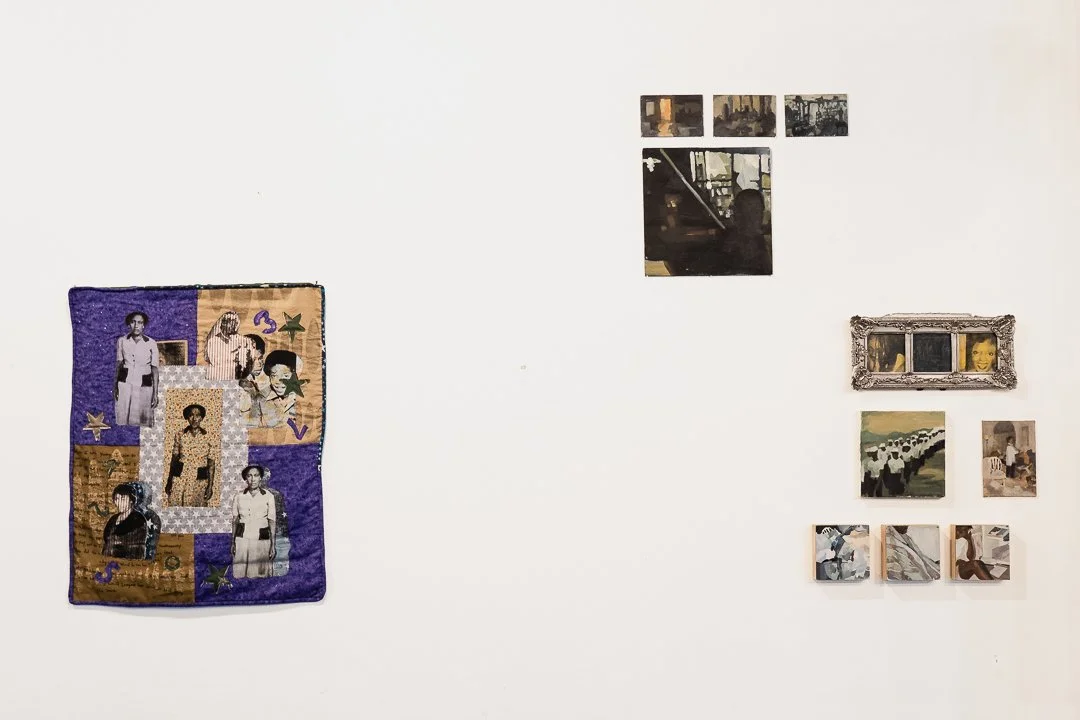
Jalen Hamilton is a Chicago-based artist specializing in printmaking and textiles. Inspired by the rich visual history of his family’s archive, Hamilton utilizes the silkscreen print method to reflect on connections between his family’s history and contemporary narratives that impact Black existence today. As an archivist and oral historian, Hamilton incorporates historical documents and family photographs into experimental works on fabric, revitalized home interior, and nontraditional surfaces. Through his process of collage and texture, Hamilton seeks to highlight the depth and complexity of family narratives and invite viewers to engage with their own sense of self and heritage. Hamilton sees the work of archiving one's family history, image and stories as part of a recuperative process to create scripts from which new futures might be constructed.
Amira Diaw
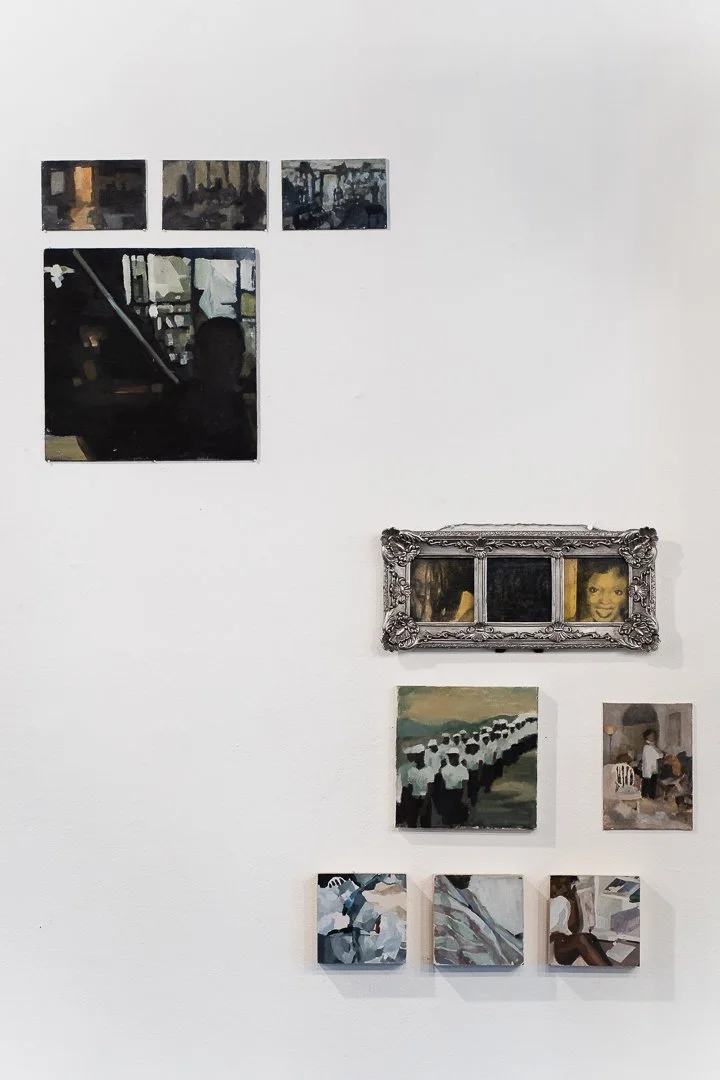
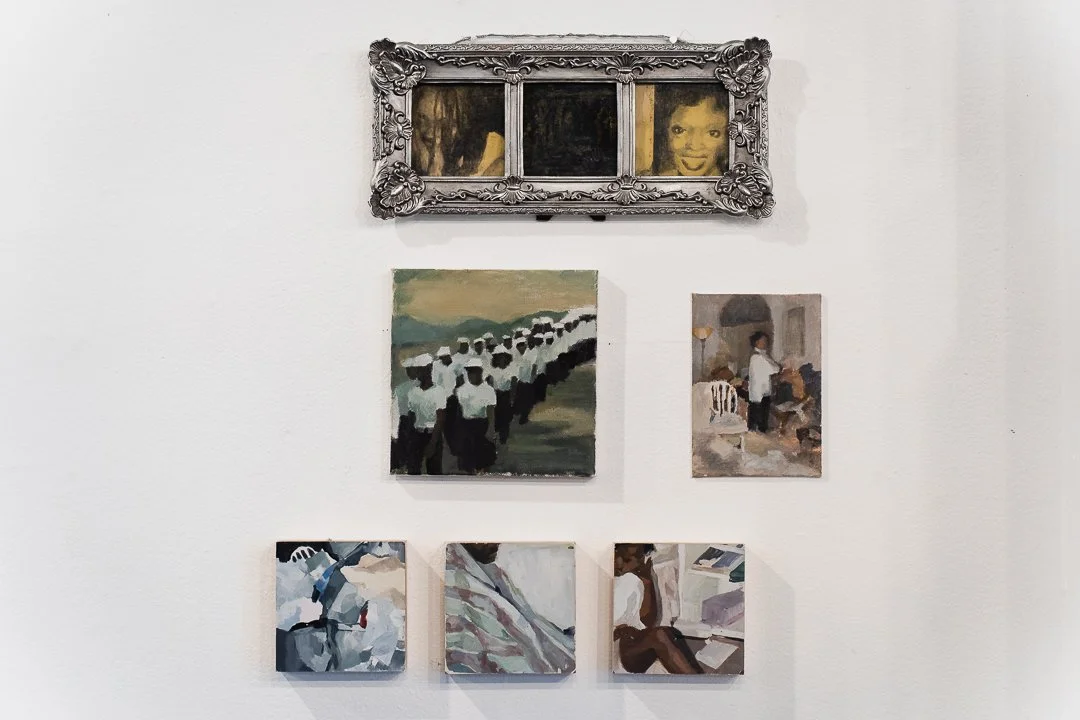
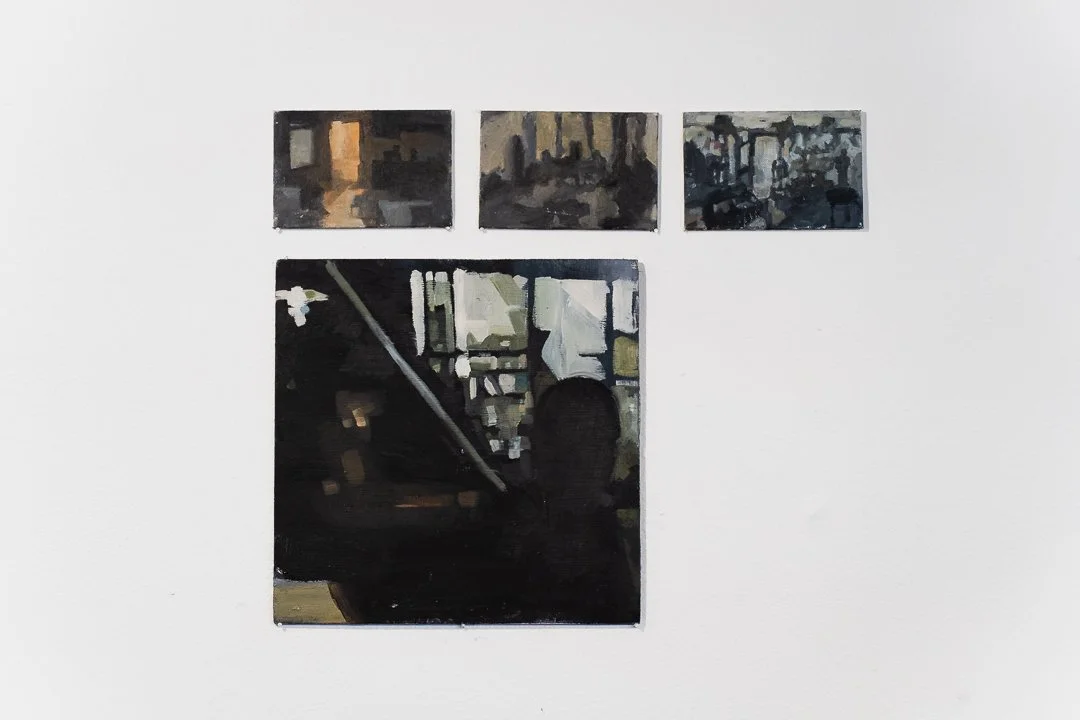
Amira Diaw (b. 2002) is an artist based in Chicago. She is receiving her BFA from the School of the Art Institute of Chicago in 2026. Her paintings serve as an archive of their history, capturing moments from the 1970s through the early 2000s that lend a stranger-like quality in the realm of the family or kinship space. Amira has exhibited her work with John St Gallery, Point Blank Gallery, and Gure.
Related programming
Opening Reception:
July 3, 2026
Gallery Activation w/ Carissa Pickney:
August 8, 2026
Closing Reception:
September 23, 2026